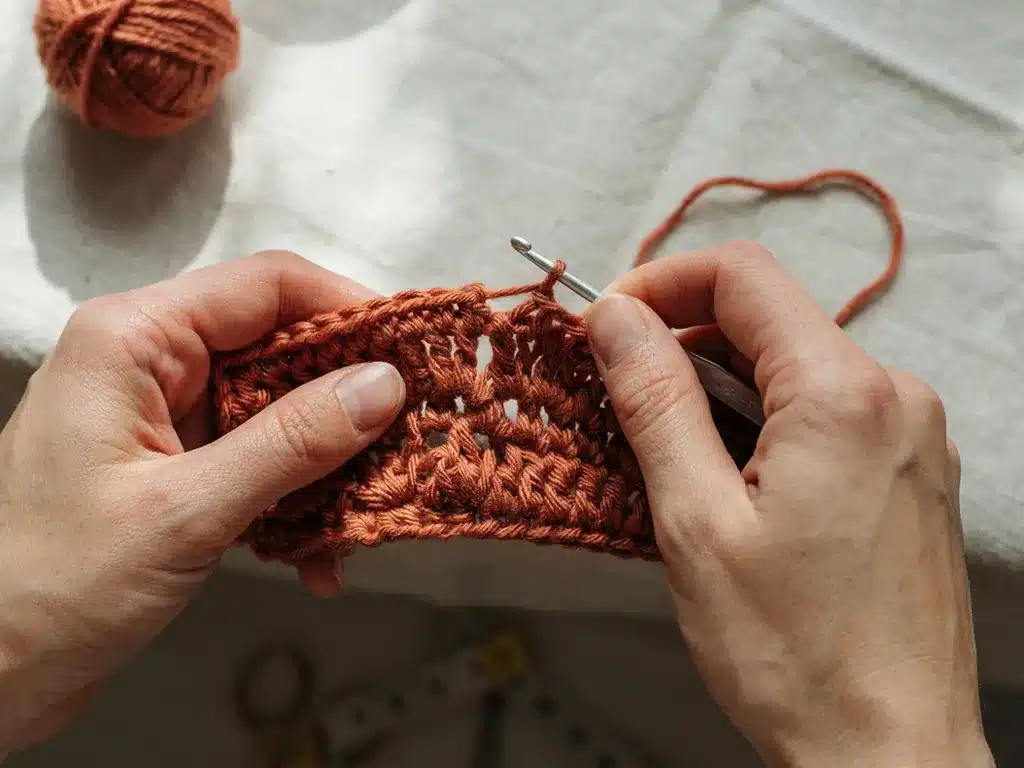
Single crochet is usually the first real stitch anyone learns, and it stays useful long after you’ve moved on to trickier ones. It’s dense, it hides uneven tension better than almost any other stitch, and once your hands know the motion you can work it almost without looking. This covers the basic single crochet stitch step by step, how to read it on a diagram, and the variations you’ll run into once you start following more patterns.
Contents
What Is a Single Crochet Stitch?
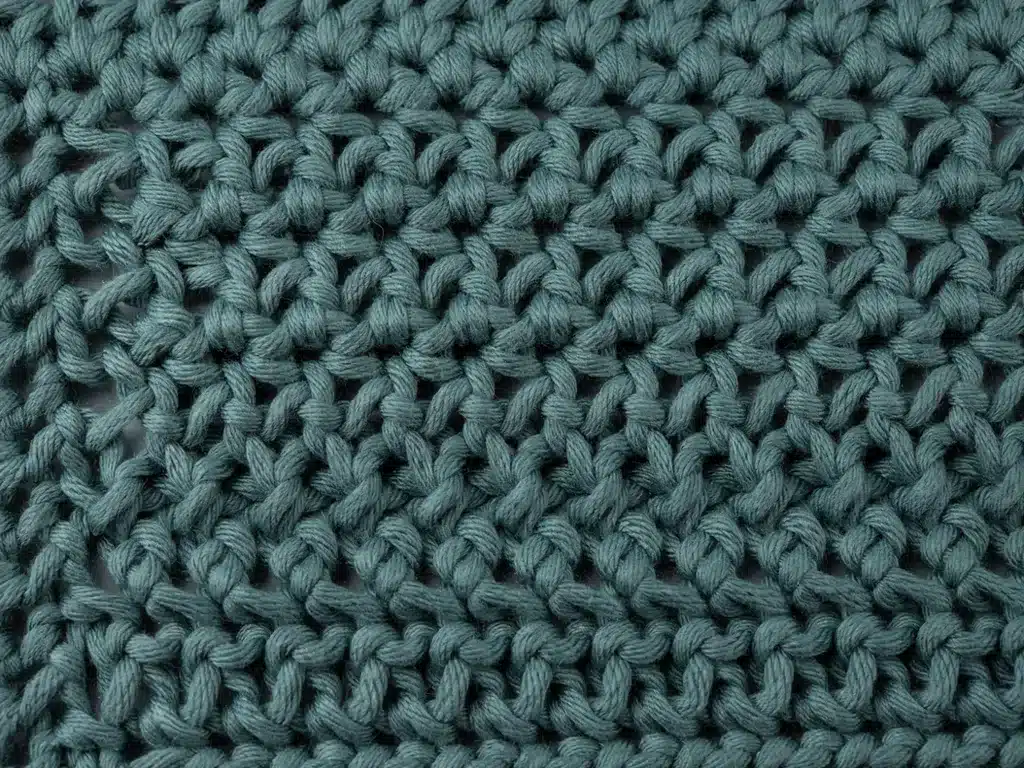
A single crochet stitch (abbreviated sc) is the shortest and tightest of the basic crochet stitches. Each stitch involves one yarn over and pulling through two loops just once, which is what keeps the fabric compact and the rows short. Compare that to a double crochet, which yarns over first and pulls through loops twice, and you can see why single crochet rows stack up more slowly but produce a denser result.
It’s worth knowing the difference between a single crochet and a slip stitch too, since new crocheters mix these up constantly. A slip stitch doesn’t add height at all. You insert the hook, yarn over, and pull through both the stitch and the loop on your hook in one motion, so it’s mainly used to join rounds or move across stitches without building fabric. Single crochet does the same insert-and-yarn-over start, but it pulls through in two separate steps, which is what gives it actual height and turns it into a stitch you can build rows out of.
How to Do a Single Crochet Stitch, Step by Step
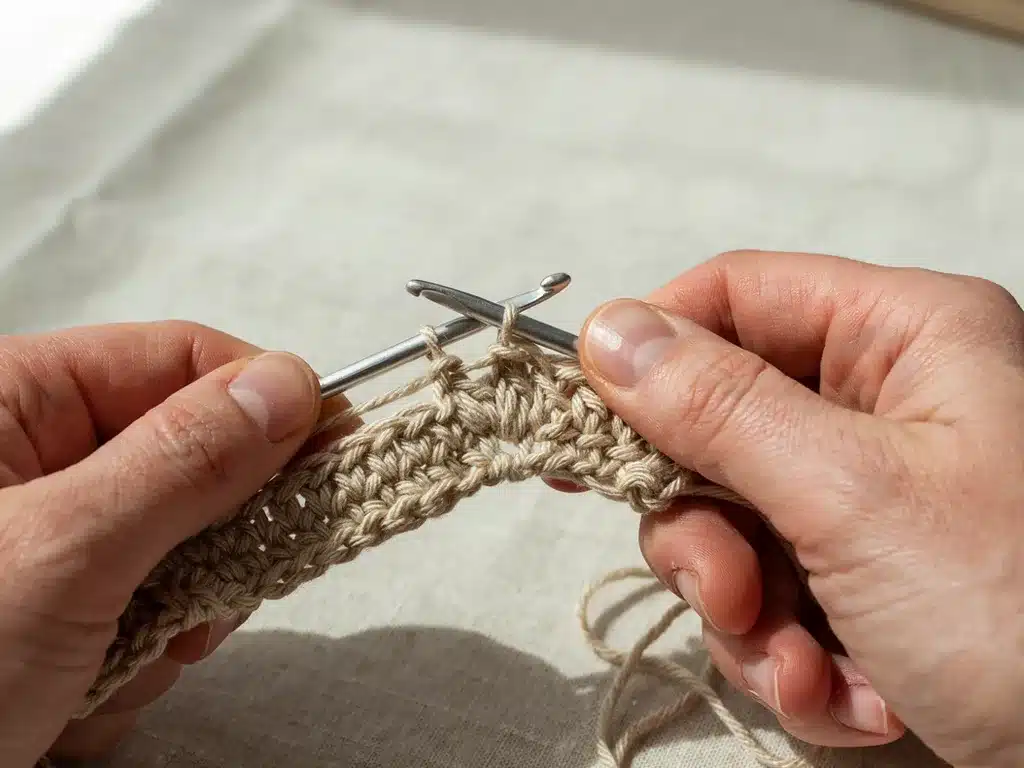
Start with a foundation chain and a hook that matches your yarn weight. Here’s the motion, broken into the four parts that make up every single crochet stitch:
- Insert your hook into the second chain from the hook (or into the next stitch, if you’re past the first row). Two loops of the previous stitch should sit on top of your hook at this point, not just one.
- Yarn over and pull the yarn through that stitch only. You now have two loops sitting on your hook.
- Yarn over again.
- Pull that new loop through both loops on your hook at once. One loop remains on your hook, and that’s your finished single crochet stitch.
Repeat those four steps across the row. At the end of the row, chain one and turn your work before starting the next row. That single turning chain doesn’t count as a stitch in single crochet, which trips people up if they’re used to patterns that use taller stitches where the turning chain does count.
Tension is the part that takes the most practice. If your stitches come out tight enough that the hook barely fits back in, try wrapping the yarn more loosely around your fingers. If they’re loose and floppy, the opposite adjustment usually helps. Neither extreme is wrong exactly, but consistency across the row matters more than hitting some ideal tightness.
Reading a Single Crochet Stitch Diagram
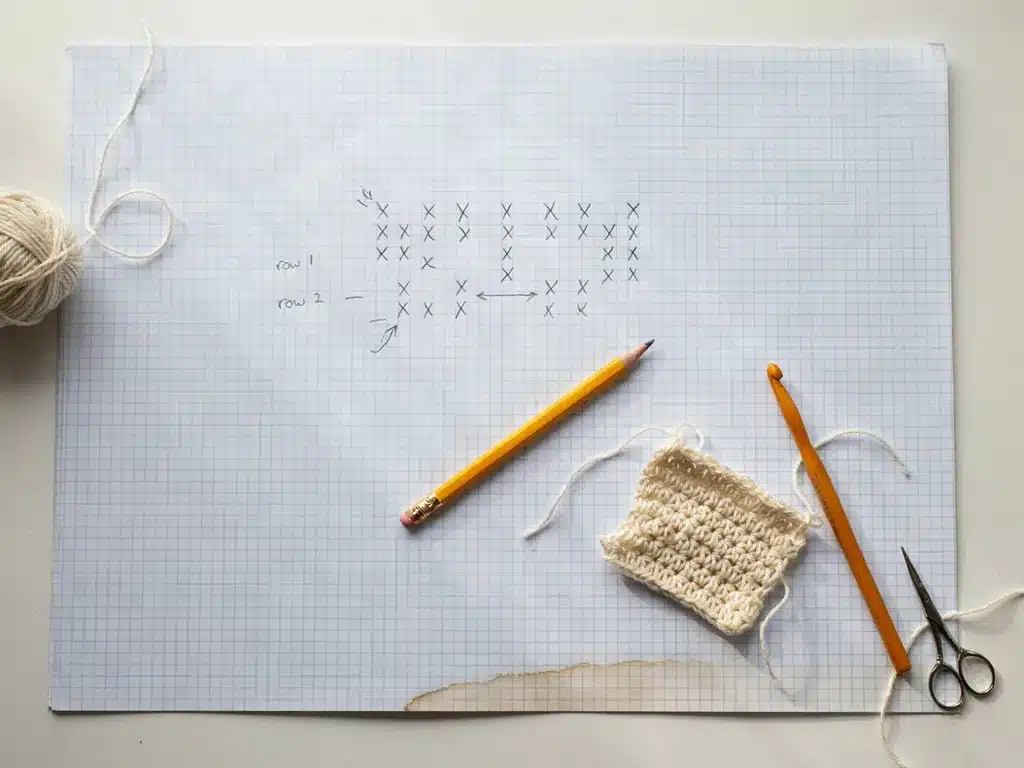
Crochet symbol charts use a small x or + mark for each single crochet stitch, arranged in rows or rounds the same way the actual stitches sit in the fabric. According to the Craft Yarn Council’s standardized chart symbols, both marks are commonly accepted for single crochet, so you may see either depending on the designer. Once you know that one symbol, you can follow a huge number of stitch diagrams without needing the pattern written out in words at all, since single crochet fabric is often just that same symbol repeated across a grid.
Row direction matters when you’re reading one of these charts. Right-to-left on one row, left-to-right on the next, alternating the way you’d actually turn your work. If a diagram has numbers running up the side, that’s your row count, and it’s worth checking it against your own work every few rows so a miscount doesn’t carry all the way to the end of the piece.
Foundation Single Crochet: Skipping the Starting Chain
A foundation single crochet stitch (often shortened to FSC) combines your starting chain and first row of single crochet into one step, instead of chaining a foundation row and then working single crochet stitches into it separately. The result looks the same once it’s finished, but the fabric tends to have a bit more stretch at the base, and you skip the part where you have to count a long chain and then hunt for the right loop to work into on your first pass.
It’s a genuinely useful technique once it clicks, but it does take more hand coordination than a plain chain, since you’re holding and working two different loops with each stitch instead of one. Most crocheters learn plain chain-plus-single-crochet first and pick up the foundation version later, once the basic motion is automatic. If a pattern calls for foundation single crochet and you’re not comfortable with it yet, chaining the same stitch count and working a regular first row of single crochet gets you to essentially the same starting point.
Single Crochet Variations Worth Knowing
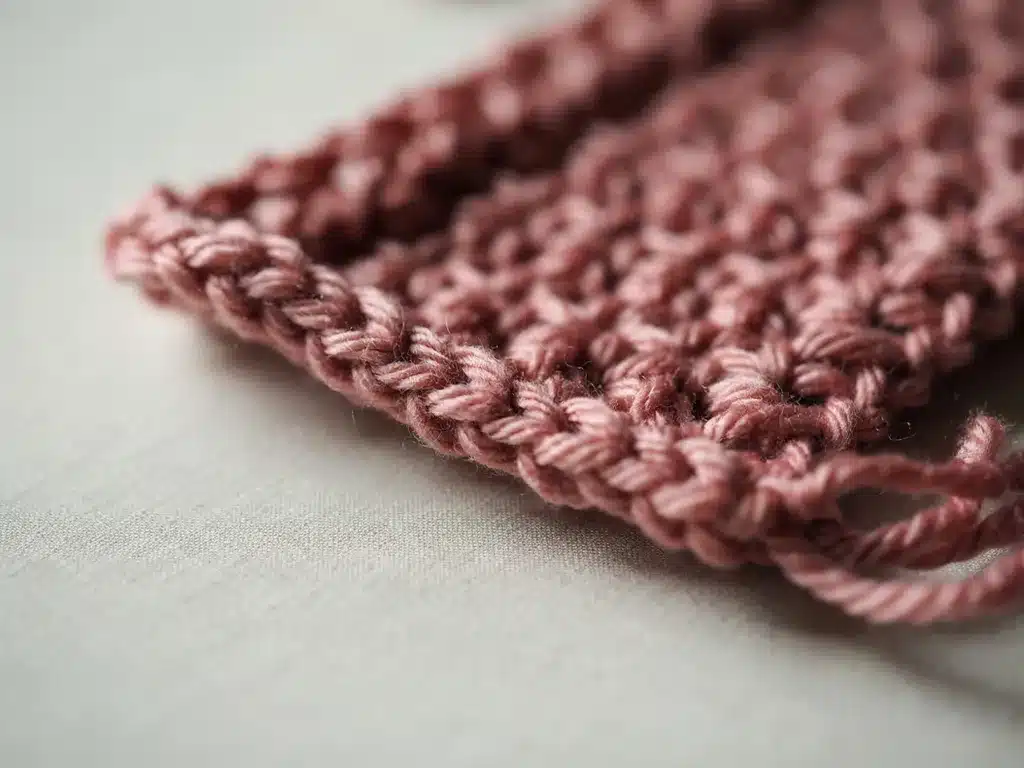
Once the basic stitch is comfortable, a handful of variations show up often enough in patterns that they’re worth recognizing even before you need them.
Reverse single crochet, sometimes called crab stitch, is worked the same way as regular single crochet but moving left to right instead of right to left (for a right-handed crocheter), without turning your work. It creates a corded, twisted-looking edge and gets used almost exclusively as a border finish rather than as fabric on its own.
Extended single crochet adds one extra step: after inserting your hook and pulling up a loop, you yarn over and pull through just that one loop before finishing the stitch as normal. That extra step adds a bit of height, landing somewhere between a regular single crochet and a half double crochet, which is useful when a pattern wants single crochet’s density without quite as short a row.
Herringbone single crochet changes where you insert your hook, angling it through the front loop of the current stitch and the back loop of the stitch beside it rather than straight through both loops of one stitch. It produces a diagonal, knit-like texture that’s popular for scarves and blankets where a plain single crochet fabric would look flat by comparison.
Stacked and cross single crochet are less about the stitch mechanics and more about placement. A stacked single crochet works directly into the stitch below without spreading out, keeping columns tight and vertical, while a cross single crochet stitch involves working two stitches that cross over each other, usually by skipping a stitch and coming back to it after the next one, which creates a woven look across the row.
Single Crochet Decrease
A single crochet decrease (written sc2tog in most patterns) combines two stitches into one, which is how you shape anything that needs to narrow, like the top of a hat or the sides of an amigurumi piece. Insert your hook into a stitch and pull up a loop the way you normally would, but stop there instead of finishing the stitch.
Insert your hook into the next stitch and pull up a second loop, so you now have three loops on your hook total. Yarn over once and pull through all three loops together. That’s one stitch where there used to be two, and repeating it steadily is what gives shaped pieces their curve instead of a series of blunt corners.
What to Make With the Single Crochet Stitch
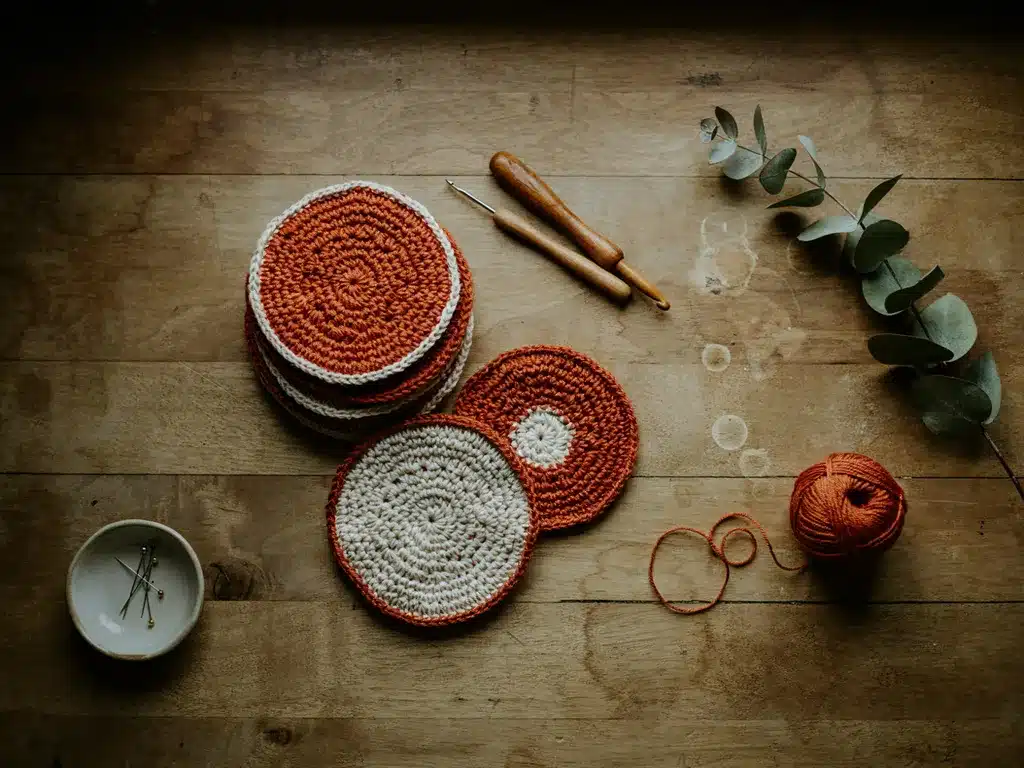
Because it’s dense and doesn’t have much drape, single crochet fabric holds its shape well, which makes it a common choice for anything that needs some structure: coasters, market bags, stuffed toys, and the outer shell of amigurumi pieces all lean on it. A single crochet blanket is a realistic project too, though it takes longer to finish than the same size blanket in a taller stitch, simply because each row adds less height.
For a first project using nothing but single crochet, a small swatch or coaster is a better test than jumping straight into a blanket, since it’s short enough to show you your tension before you’ve committed to a big piece. For picking your first pattern overall, our guide to choosing crochet patterns for beginners covers what to look for before you buy or download one.
Frequently Asked Questions
What is a single crochet stitch used for?
Single crochet is used anywhere you want dense, sturdy fabric rather than something drapey. Coasters, bag bottoms, amigurumi shells, and the base rows of many hats all rely on it.
Is a single crochet stitch the same as a slip stitch?
No. A slip stitch adds no height and is mainly used to join or move across stitches, while single crochet has an actual yarn-over-and-pull-through sequence that builds real fabric height.
Do I need to know foundation single crochet before I start a pattern?
No. Any pattern that calls for a foundation single crochet row can usually be substituted with a regular chain followed by a first row of single crochet, worked into that chain the normal way.
What’s the difference between reverse single crochet and regular single crochet?
Reverse single crochet uses the same stitch mechanics as regular single crochet but works from left to right without turning, which twists the stitches into a corded texture used mostly for edging.

Leave a Reply